Introduction
Learning how to clean dog teeth at home is one of the simplest ways to support your dog’s oral health. Regular brushing removes plaque before it hardens into tartar and can help reduce the risk of painful gum disease. For UK dog owners, home dental care should work alongside regular veterinary checks rather than replace professional treatment.
Dental disease can develop without obvious signs because many dogs continue eating despite mouth pain. A consistent routine therefore matters, even when your dog appears healthy. The most effective home measure is regular tooth brushing with a dog-safe toothbrush and toothpaste.
What Is Periodontal Disease in Dogs?
Periodontal disease affects the tissues supporting a dog’s teeth. It can develop when plaque, a sticky layer containing bacteria, saliva and food debris, remains on the teeth and eventually hardens into tartar.
As dental deposits accumulate around the gum line, the gums can become inflamed. This may progress to more serious periodontal problems, loose teeth and infection. PDSA identifies poor dental hygiene and inadequate plaque control among important contributors to dental disease in dogs.
The important distinction is between preventing plaque accumulation at home and treating established dental disease. Brushing is highly useful for prevention, but hardened tartar and painful dental disease may require veterinary treatment.
Why Should You Clean Your Dog’s Teeth?
Regular dental care helps control plaque before it becomes difficult to remove. PDSA recommends daily brushing as the best preventative approach and notes that brushing at least three times a week can significantly reduce the risk of serious dental problems.


Poor oral hygiene may contribute to:
- Plaque and tartar accumulation
- Red or inflamed gums
- Gum bleeding
- Bad breath
- Pain when eating
- Loose or damaged teeth
- Tooth loss
- Dental infections
Dogs may hide signs of discomfort, so waiting until your pet stops eating is not a reliable way to detect dental disease. Regular home checks can help identify changes earlier.
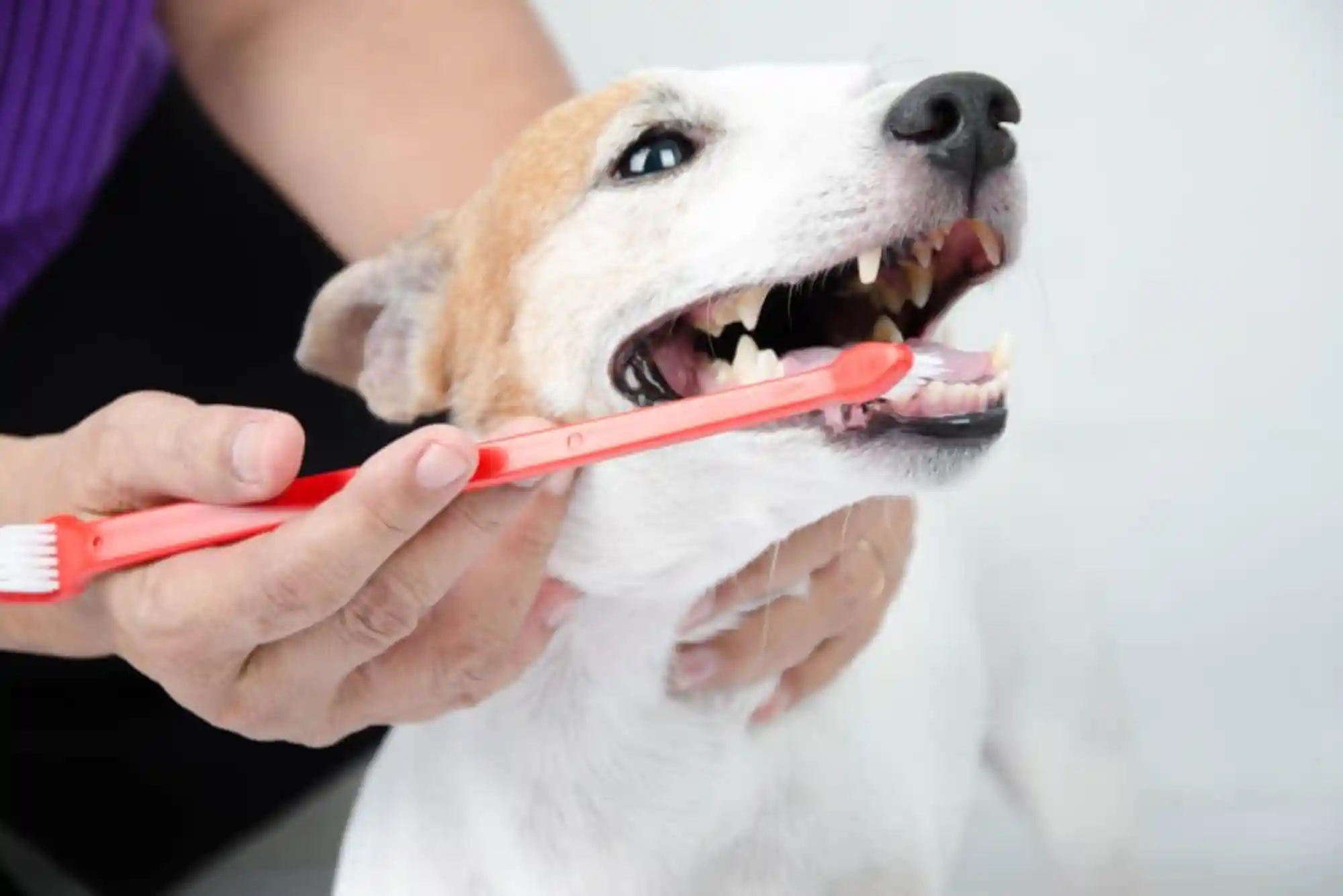
How to Clean Dog Teeth at Home
The safest approach is to introduce dental care gradually. Do not force your dog to accept brushing immediately. Instead, make the experience positive and build tolerance over several short sessions.
Choose a Dog-Safe Toothbrush and Toothpaste
Use a toothbrush designed for dogs and toothpaste specifically formulated for pets. Never use ordinary human toothpaste.
PDSA specifically warns against human toothpaste because it can contain xylitol, a sweetener that is toxic to dogs. Pet toothpaste is formulated for dogs and is suitable when swallowed during normal brushing.
A suitable dog toothbrush should allow you to reach the teeth comfortably without causing excessive pressure on the gums.
Let Your Dog Taste the Toothpaste
Before introducing the toothbrush, allow your dog to become familiar with the toothpaste.
Place a small amount on your finger and let your dog taste it. Reward calm behaviour. The objective is to create a positive association rather than making dental care feel like a restraint or struggle.
PDSA recommends using reward-based training and progressing slowly.
Get Your Dog Used to Mouth Handling
Once your dog accepts the toothpaste, gently touch the outside of the lips and gums.
Keep each session short. Give praise or a suitable reward when your dog remains calm.
You can gradually progress from touching the lips to gently rubbing a soft cloth along the gums. This prepares your dog for the sensation of brushing.
Introduce the Toothbrush
When your dog is comfortable with mouth handling, introduce the toothbrush.
Begin with a few gentle movements rather than attempting to clean every tooth during the first session. Gradually increase the amount of brushing as your dog becomes more comfortable.
The Veterinary Oral Health Council notes that daily brushing is the ideal standard for maintaining oral health, while also recognising that some dogs will not tolerate a complete brushing routine. Regular brushing of any extent is preferable to no brushing.
Concentrate on the Gum Line
Plaque and tartar can accumulate particularly quickly on the cheek-facing surfaces of the upper teeth. These areas deserve particular attention during routine brushing.
Use gentle strokes along the teeth and gum line. Avoid aggressive scrubbing because dental care should not cause pain or injury.
As your dog becomes accustomed to brushing, you can gradually work towards cleaning more teeth and surfaces.
Build a Daily Routine
Consistency is more important than attempting a long cleaning session occasionally.
Ideally, brush your dog’s teeth every day. If daily brushing is not initially realistic, work towards a routine that you can maintain consistently. PDSA states that daily brushing, or brushing at least three times weekly, can help reduce the risk of serious dental problems.
Choose a convenient time when your dog is relaxed. Keeping the routine predictable can make acceptance easier.
How Often Should You Brush a Dog’s Teeth?
Daily brushing is the preferred routine for dogs. It gives you the best opportunity to remove plaque before it develops into harder deposits.
The Veterinary Oral Health Council describes daily oral hygiene as the foundation of good pet oral health and identifies brushing as the gold standard. PDSA similarly recommends daily brushing, while noting that brushing at least three times per week can still provide meaningful preventative benefit.
If your dog currently refuses brushing, do not give up after one attempt. Start with very short sessions and reward cooperation.
Can Dental Chews and Toys Replace Tooth Brushing?
Dental chews and toys can complement brushing, but they should not automatically be treated as a complete replacement for it.
PDSA recommends suitable dental toys and chews as additional ways of supporting dental hygiene. Dogs should be supervised when using chews or toys, and treats should be accounted for within their daily food intake.
The Veterinary Oral Health Council also recognises chewing activities as useful for maintaining oral health and provides an acceptance programme for products that meet its criteria.
When choosing a dental product, consider its size, suitability for your dog’s chewing behaviour and any advice from your vet.
Avoid extremely hard objects that could fracture teeth. PDSA specifically advises against bones and other very hard chews because they can cause painful tooth fractures.
Should You Use Dog Dental Water Additives?
Some dog-specific mouthwashes and antibacterial products may help support plaque control. However, they should be regarded as supplementary measures rather than substitutes for brushing.
PDSA advises that dog-safe mouthwash and antibacterial gels may have a role in dental hygiene, but recommends discussing appropriate products with a vet. Human mouthwash and human antibacterial products should not be used on dogs.
If your dog cannot tolerate brushing, speak with your veterinary practice about alternative dental-care options appropriate for your pet.
How to Check Your Dog’s Teeth at Home
A quick mouth check can help you notice changes between veterinary appointments.
Only inspect your dog’s mouth if they are comfortable. Never force the mouth open or put yourself at risk of being bitten.
Look for:
| What to check | What may indicate a problem |
|---|---|
| Teeth | Cracks, breaks, looseness or missing teeth |
| Gum line | Redness, inflammation or bleeding |
| Teeth surface | Plaque, tartar or dark staining |
| Breath | Persistent unpleasant odour |
| Eating | Difficulty chewing or dropping food |
| Behaviour | Pawing at the mouth or rubbing the face |
| Drooling | Excessive or blood-stained drooling |
| Face | Swelling around the mouth or under the eye |
PDSA recommends regular dental checks and says dogs’ teeth can ideally be checked each day during brushing. If daily checks are not possible, checking every week or two can help you monitor changes.
Signs Your Dog May Have Dental Disease
Bad breath is often dismissed as normal for dogs, but persistent unpleasant breath can be associated with dental disease.
Other warning signs include:
- Red or bleeding gums
- Yellow or brown tartar
- Loose or broken teeth
- Difficulty eating
- Chewing on one side
- Dropping food
- Reduced appetite
- Excessive drooling
- Pawing at the mouth
- Facial swelling
- Weight loss
Importantly, a dog can have dental disease while continuing to eat normally. PDSA notes that many dogs continue eating even when dental problems are uncomfortable or painful.
When Should You Contact a UK Vet?
Home brushing is preventive care. It is not a substitute for veterinary assessment when dental disease is already present.
Contact your vet if you notice persistent bad breath, significant tartar, bleeding gums, loose or broken teeth, facial swelling, difficulty eating or other signs of mouth pain. PDSA advises contacting a vet when dental disease is suspected.
Seek urgent veterinary advice if your dog is in significant pain, cannot eat because of mouth discomfort or is unable to close their mouth.
Why Professional Dental Treatment May Be Necessary
Brushing cannot safely remove established tartar in the same way that professional veterinary dental treatment can.
A veterinary examination can identify problems that are not visible during a normal home inspection. PDSA explains that tooth roots are largely beneath the gum and may require dental X-rays under general anaesthesia to assess properly.
For dogs with established dental disease, a vet may recommend a professional dental procedure, which can include scaling, polishing and removal of teeth that are loose, infected or fractured.
Why Anaesthesia Matters for Veterinary Dental Procedures
Dental cleaning performed at home and professional veterinary dentistry serve different purposes.
A complete veterinary dental assessment may require access to areas beneath the gum line and examination of the tooth roots. PDSA states that performing a dental procedure without general anaesthesia does not allow a full and effective examination and cleaning, particularly below the gum line.
This is why owners should be cautious about services that promise professional dental cleaning without appropriate veterinary assessment or anaesthesia.
A Simple Dog Dental Routine
A practical routine can look like this:
Every day
- Choose a calm time.
- Let your dog taste dog-safe toothpaste.
- Gently lift the lips.
- Brush the outer surfaces of the teeth.
- Pay particular attention to the upper cheek-facing teeth.
- Use gentle movements around the gum line.
- Praise your dog throughout the process.
- Check for changes in the teeth and gums.
Regularly
- Monitor breath and eating behaviour.
- Check for tartar and gum inflammation.
- Inspect for broken or loose teeth.
- Use suitable dental chews or toys where appropriate.
- Discuss alternative dental products with your vet if brushing is difficult.
At veterinary appointments
Ask your vet to assess your dog’s teeth and gums, particularly if you notice changes at home.
Common Mistakes to Avoid
Using Human Toothpaste
Do not use human toothpaste. Some formulations can contain xylitol, which is toxic to dogs.
Scrubbing Too Hard
Firm pressure is unnecessary. Gentle, controlled brushing is more appropriate and reduces the risk of irritating the gums.
Removing Tartar Yourself
Do not attempt to scrape hardened tartar from your dog’s teeth with household tools. If substantial tartar is present, seek veterinary advice.
Forcing Your Dog
Forcing the mouth open can create fear and increase the risk of injury. PDSA recommends gradual, reward-based training and advises owners not to push a dog that is unhappy with mouth handling.
Relying Only on Dental Treats
Chews and dental products may support oral hygiene, but they should not automatically replace tooth brushing or veterinary care.
Ignoring Dental Pain
Dogs can continue eating despite significant dental disease. Changes in chewing, appetite, drooling or behaviour should therefore be taken seriously.
Final Tips for Preventing Periodontal Disease
The most effective approach is to combine consistent home care with professional veterinary monitoring.
Start brushing gradually, use only dog-safe products and make the experience positive. Daily brushing is the preferred routine, but building up to it slowly is often more successful than forcing a complete cleaning from the start.
Also remember that home care is primarily about prevention and plaque control. Once tartar, painful gums, broken teeth or other dental problems develop, your dog may need veterinary treatment.
For UK dog owners, the simplest long-term strategy is clear: brush regularly, check the mouth, avoid unsafe dental products and contact your vet when something looks abnormal.
FAQs
How often should I brush my dog’s teeth?
Ideally, brush your dog’s teeth every day. If daily brushing is difficult initially, PDSA states that brushing at least three times a week can still help reduce the risk of serious dental problems.
Can I use human toothpaste on my dog?
No. Use toothpaste specifically made for dogs. Human toothpaste may contain xylitol, which is toxic to dogs.
Can brushing remove tartar from a dog’s teeth?
Brushing is excellent for controlling plaque before it hardens, but established tartar may require professional veterinary treatment.
What are the signs of periodontal disease in dogs?
Possible signs include bad breath, tartar, red or bleeding gums, loose teeth, difficulty eating, drooling, pawing at the mouth and facial swelling. Dogs may still eat despite painful dental disease.
Are dental chews enough to keep my dog’s teeth clean?
Dental chews can complement a dental-care routine, but brushing remains the preferred method of plaque control. Suitable chews should be used safely and under supervision.
When should my dog see a vet for dental problems?
Contact your vet if you suspect dental disease or notice mouth pain, damaged teeth, significant tartar, bleeding gums, difficulty eating or facial swelling. Urgent advice is appropriate when your dog is unable to eat because of pain or cannot close their mouth.
Related Reading: Best Budget Roof Pitch Calculators
Related Reading: Top SEO Strategies by MD Ijaz Marketer for Website Ranking
Related Reading: Methods of Insulating Disposable Food Bowls
Related Reading: Signs of Dog Ear Infections: Yeast vs Bacterial and Home Cleaning