Introduction
Winter can be beautiful, but cold weather can make outdoor time uncomfortable for dogs. Snow, ice, freezing rain, and wet sidewalks can affect their comfort and safety. Choosing the Best Winter Dog Coats and Waterproof Boots for Cold Weather can help your dog stay warm and protected during winter walks.
Dogs have different levels of cold tolerance. A thick-coated Husky may handle chilly weather better than a small short-haired Chihuahua. Puppies, senior dogs, and dogs with health concerns may also need extra protection.
A good winter coat should provide warmth without restricting movement. Waterproof boots should protect paws from moisture, ice, salt, and rough surfaces. However, comfort and proper fit matter just as much as insulation.
This guide explains how to choose winter coats and boots for dogs. It also covers important features, fitting advice, safety tips, and common questions from dog owners.
Why Winter Protection Matters for Dogs
Cold weather can affect dogs in several ways. Extended exposure to low temperatures can cause discomfort and increase the risk of hypothermia. Wet fur can make a dog lose body heat faster.
Paws face additional challenges during winter. Snow and ice can collect between the toes. Road salt and de-icing chemicals may irritate sensitive paw pads. Sharp ice can also cause small cuts.


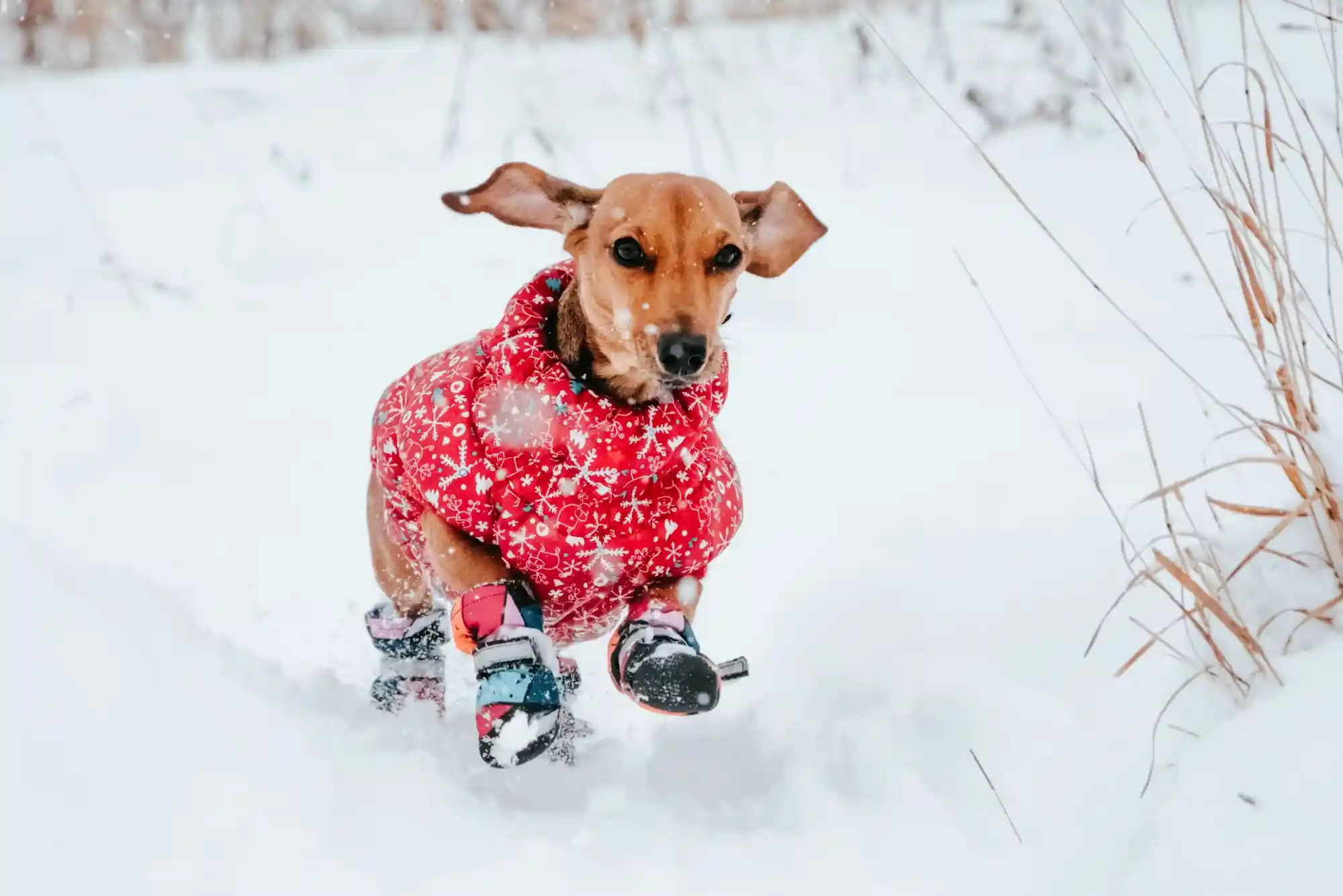
The Best Winter Dog Coats and Waterproof Boots for Cold Weather provide a practical layer of protection. They can make outdoor activities more comfortable while reducing exposure to harsh winter conditions.
However, winter clothing should never replace common sense. Dogs still need supervision during cold-weather walks. If your dog starts shivering or acting uncomfortable, it is time to go indoors.
What Makes the Best Winter Dog Coat?
The Best Winter Dog Coats and Waterproof Boots for Cold Weather should balance warmth, protection, comfort, and mobility. A coat that looks warm may not be practical if your dog cannot move naturally.
Choose the Right Insulation
Winter coats use different insulation materials. Fleece provides lightweight warmth and works well for moderately cold conditions. Synthetic insulation offers additional protection in colder environments.
For wet winter weather, insulation should also work when exposed to moisture. A water-resistant outer layer can help prevent rain and melting snow from reaching the inner lining.
Look for Weather-Resistant Fabric
A winter dog coat should handle the conditions your dog regularly encounters. Water-resistant fabrics are useful during light rain and wet snow.
For heavier conditions, look for a coat designed with waterproof materials. A waterproof outer layer can help keep your dog’s body dry during longer outdoor activities.
Check the Coverage
A good coat should cover the dog’s back and chest without limiting movement. Some designs also protect the stomach area.
Coverage is particularly useful for smaller dogs. Their bodies can be closer to cold ground surfaces during walks.
The coat should remain comfortable when your dog walks, runs, sits, and turns. Avoid designs that press tightly around the neck or legs.
Choosing the Best Winter Dog Coats for Different Dogs
Not every dog needs the same type of winter coat. Breed, size, age, coat type, and activity level all influence the right choice.
Small and Short-Haired Dogs
Small dogs often lose body heat quickly. Short-haired breeds may also have limited natural insulation.
A properly fitted insulated coat can provide useful protection during cold walks. Look for lightweight designs that cover the chest and back.
Large and Double-Coated Dogs
Dogs with thick double coats often have better natural insulation. However, they can still benefit from protection during extreme weather.
A lightweight waterproof shell may be more useful than a heavily insulated coat. This can protect the dog’s body from rain and snow without causing excessive warmth.
Senior Dogs and Puppies
Young puppies and older dogs may have more difficulty regulating body temperature. They can therefore require additional protection during cold weather.
Keep winter walks shorter when temperatures become particularly low. Watch your dog’s behavior carefully and provide a warm indoor space afterward.
Why Waterproof Boots Matter in Winter
Dog boots are more than a winter fashion accessory. Properly designed footwear can protect paws from several outdoor hazards.
Cold surfaces can make paw pads uncomfortable. Ice can become lodged between toes. Road salt can cause irritation, especially after repeated exposure.
Waterproof boots create a protective barrier between the paws and the ground. They can also reduce the amount of dirt, salt, and moisture brought indoors.
The Best Winter Dog Coats and Waterproof Boots for Cold Weather work together to protect the dog’s body and feet.
Features to Look for in Waterproof Dog Boots
The right boots should protect paws without interfering with natural movement. Several features deserve attention before making a purchase.
Waterproof Construction
Waterproof material helps prevent snow and water from soaking the paws. This is particularly important during wet walks.
Boots with sealed or well-designed seams can provide better protection than simple fabric footwear.
Secure Closures
A boot that constantly slips off is not useful. Look for adjustable closures that keep footwear securely positioned.
However, the closure should never be tightened excessively. Your dog should have normal circulation and comfortable movement.
Flexible Soles
Rigid boots can make walking difficult. Flexible soles allow the paws to move more naturally.
A textured sole can also provide additional traction on slippery surfaces. This feature can be useful when walking across wet pavement or packed snow.
Breathable Materials
Waterproof does not always mean comfortable. A boot that traps excessive moisture can cause problems inside the footwear.
Choose materials that provide protection while allowing reasonable ventilation. Remove the boots after walks and check your dog’s paws.
How to Measure Your Dog for Winter Gear
Correct sizing is essential when choosing the Best Winter Dog Coats and Waterproof Boots for Cold Weather.
For coats, measure the length of your dog’s back from the base of the neck to the base of the tail. Also measure the chest circumference around the widest part of the rib cage.
For boots, measure the width and length of the paw while your dog is standing. Weight can be distributed differently when the dog is standing compared with sitting.
Always compare measurements with the manufacturer’s sizing guide. Sizes can vary significantly between brands.
A coat that is too tight can restrict movement. One that is too loose may shift during walks and expose the body to cold air.
How to Get Your Dog Used to Winter Boots
Many dogs initially dislike wearing boots. This reaction is normal because the sensation feels unfamiliar.
Start indoors with one boot. Let your dog wear it briefly while remaining relaxed. Offer praise and rewards for calm behavior.
Gradually introduce the remaining boots. Keep the sessions short and positive.
Once your dog can comfortably walk indoors, try a short outdoor walk. Increase the duration slowly as your dog becomes more confident.
Avoid forcing the process. Stress can make your dog develop a stronger negative association with footwear.
How to Use a Winter Dog Coat Safely
A winter coat should improve comfort rather than create another problem. Check the fit before every outdoor session.
Make sure the coat does not interfere with your dog’s legs, collar, harness, or bathroom needs. Pay attention to rubbing around the armpits and chest.
Do not assume that a coat makes every temperature safe. Extreme cold still requires shorter outdoor exposure.
Remove the coat indoors if your dog becomes too warm. Dogs should always have a comfortable opportunity to cool down.
Signs Your Dog Is Too Cold
Knowing the warning signs is essential when walking during winter. Shivering is one obvious sign, but it is not the only one.
Your dog may lift its paws repeatedly or refuse to continue walking. Whining, slowing down, curling up, or seeking shelter can also indicate discomfort.
Pale or unusually cold skin can be concerning after significant exposure. If your dog appears weak, confused, or severely distressed, move indoors and contact a veterinarian promptly.
Do not wait for severe symptoms before ending a winter walk. Prevention is always better than prolonged exposure.
Winter Paw Care Beyond Waterproof Boots
Boots can provide excellent protection, but regular paw care remains important.
Inspect the paws after every winter walk. Look between the toes for ice, salt, debris, or redness.
Rinse the paws if your dog has walked on treated roads or sidewalks. Dry them thoroughly afterward.
Keep the hair around the paw pads appropriately trimmed if recommended for your dog’s coat type. Excess hair can collect snow and ice.
A veterinarian can also recommend appropriate paw-care products if your dog experiences recurring irritation.
How Cold Is Too Cold for Dogs?
There is no single temperature that is unsafe for every dog. Cold tolerance depends on size, breed, coat, age, health, wind, and moisture.
A dog that comfortably handles cool weather may struggle during freezing rain. Wind can also make outdoor conditions feel considerably colder.
Instead of relying only on the thermometer, monitor your dog’s behavior. Consider reducing walk duration as conditions become harsher.
Dogs should not be left outside for extended periods during severe winter weather. Provide warm shelter, fresh water, and protection from wind and moisture.
Are Expensive Winter Dog Coats Always Better?
Price does not automatically determine quality. A more expensive coat may contain premium materials, but it still needs to fit your dog correctly.
Focus on construction, insulation, weather resistance, comfort, and durability. The best product is one that meets your dog’s specific needs.
For occasional winter walks, a simple waterproof coat may be enough. Dogs participating in outdoor activities may require more specialized protection.
The same principle applies to boots. Strong materials are useful, but proper fit and secure fastening are equally important.
Best Winter Dog Coats and Waterproof Boots for Cold Weather: Final Tips
The Best Winter Dog Coats and Waterproof Boots for Cold Weather should protect your dog without making movement uncomfortable. Start by considering your dog’s size, coat type, age, activity level, and local weather.
Choose insulation according to the conditions. Look for weather-resistant materials when rain and snow are common. For footwear, prioritize waterproof construction, flexible soles, secure closures, and proper sizing.
Most importantly, introduce winter gear gradually. Your dog should feel comfortable wearing it before facing a long outdoor walk.
Winter protection is not about covering your dog with as much clothing as possible. It is about using the right gear for the conditions and your dog’s individual needs.
Frequently Asked Questions
What is the best winter coat for a dog?
The best winter coat is one that fits correctly and provides appropriate warmth for your dog’s coat type and weather conditions. Insulation, water resistance, coverage, and freedom of movement are important factors.
Do dogs really need waterproof boots in winter?
Some dogs benefit greatly from waterproof boots during winter. Boots can protect paws from snow, ice, salt, moisture, and rough surfaces. Dogs living in milder climates may not need them for every walk.
How do I know if my dog needs a winter coat?
Dogs with short coats, small bodies, low body fat, or limited cold tolerance may benefit from winter clothing. Puppies and older dogs may also need additional protection.
Should dogs wear boots in the snow?
Boots can protect paws from snow, ice, salt, and cold surfaces. They can be especially useful during longer walks or when sidewalks have been treated with de-icing products.
How should a winter dog coat fit?
A winter coat should fit securely without restricting breathing or movement. It should cover the dog’s back and chest appropriately while allowing normal walking and bathroom movement.
Can dogs wear winter coats all day?
Dogs generally should not wear winter coats continuously indoors. Remove the coat when it is no longer needed and check the skin regularly for rubbing or irritation.
How can I keep my dog’s paws safe in winter?
Use properly fitted boots when appropriate, inspect the paws after walks, remove ice and debris, and clean away road salt. Keeping paws dry can also reduce irritation.
Conclusion
Choosing the Best Winter Dog Coats and Waterproof Boots for Cold Weather can make winter walks safer and more comfortable. The right combination should provide warmth, weather protection, secure fitting, and unrestricted movement.