How to Protect a Premium Car From Theft: A Practical Security Checklist
Owning a premium car brings comfort, performance and advanced technology, but it can also make vehicle security more important. High-value vehicles can attract unwanted attention, particularly when they are regularly parked in busy areas, residential streets or public car parks.
The good news is that drivers do not have to rely on a single security feature. A combination of sensible parking habits, physical protection, technology and vehicle tracking can create multiple layers of security. For owners of premium models such as Range Rover and Lexus, this layered approach can be especially useful.
Why Premium Cars Need a Layered Security Approach
Modern vehicles already include sophisticated security systems, including alarms, immobilisers and keyless entry technology. However, no individual security feature should be viewed as a complete solution.
A layered approach means making the vehicle more difficult to target while also improving the chances of locating it if it is moved without permission. This is where tracking technology can complement traditional security measures.
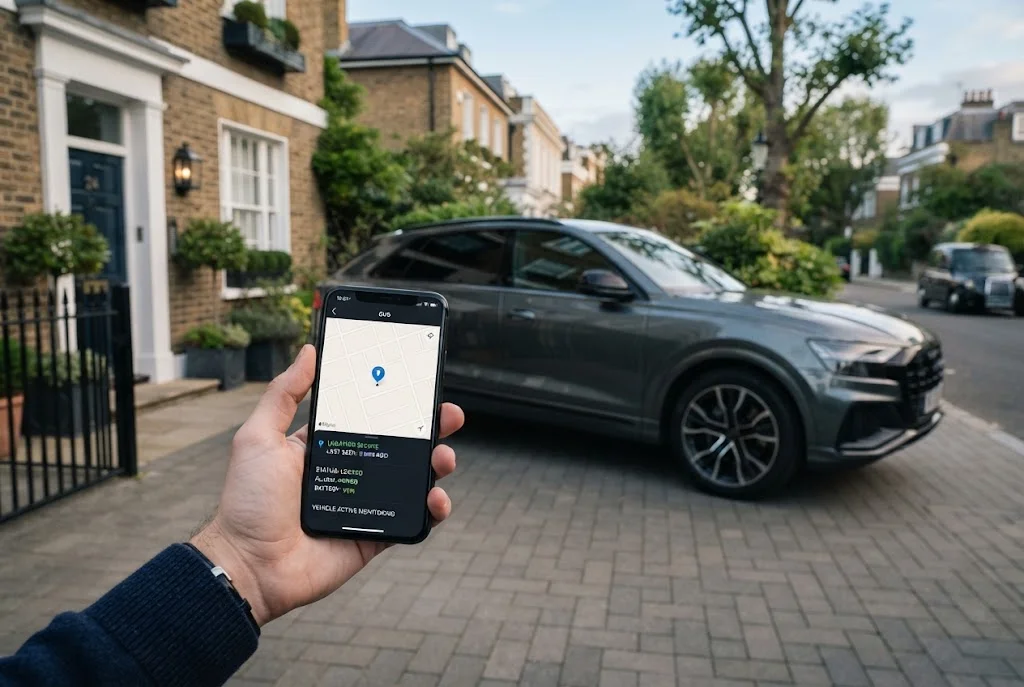
For example, a Range Rover tracker can form part of a wider vehicle security strategy by providing location-related information alongside the car’s existing security features. Similarly, a Lexus tracker can add another layer of visibility for owners who want additional protection for their vehicle.
1. Choose Parking Locations Carefully
One of the simplest ways to reduce vehicle security risks is to think carefully about where the car is parked.


Whenever possible, choose secure garages, monitored car parks or well-lit areas with regular pedestrian activity. At home, parking behind a locked gate or inside a garage can provide another physical barrier.
Even when secure parking is not available, avoiding isolated areas and keeping the vehicle in a visible location can be a sensible precaution.
2. Protect Your Vehicle Keys
Modern keyless vehicle systems offer convenience, but drivers should also consider how they store their keys when the car is parked at home.
Keeping keys away from doors and windows can reduce unnecessary exposure. Some owners also use signal-blocking storage solutions designed to limit the communication between certain keyless devices and vehicles.
The important point is to treat the vehicle key as part of the overall security system rather than simply as a way to unlock and start the car.
3. Consider Physical Security Measures
Additional physical security devices can provide another obstacle for someone attempting to take a vehicle. Depending on the car and the owner’s circumstances, these may include steering locks or other visible security products.
Visible deterrents can have an important psychological benefit. If a vehicle appears more difficult to steal than another nearby vehicle, it may become a less attractive target.
4. Add Vehicle Tracking to the Security Strategy
Traditional security measures primarily focus on preventing unauthorised access or movement. Vehicle tracking adds a different capability: location visibility.
A suitable tracking system can help an owner understand where a vehicle is located and, depending on the system, receive information about movement or other activity. This can become particularly valuable if a vehicle is moved unexpectedly.
Tracking should not be viewed as a replacement for an alarm, immobiliser or sensible security habits. Instead, it can complement those measures by adding another layer to the overall protection strategy.
5. Pay Attention to Unusual Vehicle Activity
Vehicle owners should become familiar with normal patterns of use. Unexpected movement, unusual location information or other alerts may deserve immediate attention.
For drivers using tracking technology, timely notifications can make it easier to recognise that something unusual may be happening. The exact features available will depend on the tracking system selected, so owners should understand what their particular device can and cannot monitor.
6. Keep Security Information Private
Security is not only about physical devices. Sharing too much information about a valuable vehicle online can also create unnecessary risks.
Drivers should think carefully before publicly posting details such as regular parking locations, daily routines or periods when the vehicle will be left unattended for an extended time.
Avoiding unnecessary exposure can complement the technical security measures already installed in the vehicle.
7. Create a Response Plan Before Something Goes Wrong
Security planning is most useful when it is done before an incident occurs. Vehicle owners should know what they would do if their car disappeared from its expected location.
Keep important vehicle information readily available, including registration details, insurance information and any relevant tracking account details. If a vehicle is suspected to have been stolen, contact the appropriate authorities and insurance provider as soon as possible.
If a tracking system provides current location information, that information may also become relevant when reporting the incident. Owners should follow the advice of the police and avoid putting themselves at risk by attempting to recover a stolen vehicle personally.
8. Review Your Security Setup Regularly
Vehicle technology continues to develop, and security habits should evolve with it. Owners can periodically review their parking arrangements, key-storage habits, physical deterrents and tracking setup.
It is also worth checking that tracking devices and related services are functioning correctly and that the owner understands how alerts and location features work.
Premium Car Security Is About More Than One Device
Protecting a premium vehicle does not have to depend on one complicated solution. The strongest approach is often a combination of sensible everyday habits and complementary security technologies.
Secure parking, careful key management, physical deterrents and vehicle tracking can each address a different part of the security challenge. Together, they can provide greater confidence for owners who want to take vehicle protection seriously.
For premium vehicle owners, adding tracking technology can therefore be a practical step alongside the security features already built into the car. The right setup will depend on the vehicle, parking environment and individual requirements, but taking a layered approach can make vehicle security more proactive and comprehensive.